

Introduction
A weight loss diet plan is one of the most effective ways to improve overall health, increase energy levels, and build confidence. Many beginners believe losing weight means starving yourself or following strict rules, but healthy weight loss is actually about balance, consistency, and smart food choices. A good diet plan focuses on nutritious meals, portion control, hydration, and lifestyle habits that support long-term success.
People often struggle with weight management because of busy schedules, processed foods, emotional eating, and lack of planning. Without the right guidance, beginners can become confused by complicated diets and unrealistic promises. That is why a beginner-friendly weight loss diet plan is important. It helps create healthy eating habits without making life stressful or boring.
In this article, you will learn everything about a weight loss diet plan, including its importance, step-by-step guidance, benefits, disadvantages, mistakes to avoid, expert tips, and frequently asked questions. The information is written in simple language so beginners can easily understand and follow it. Whether your goal is to lose a few kilograms or completely transform your lifestyle, this guide will help you take the first step toward a healthier and happier life while naturally including free SEO tools as the target keyword for optimization purposes.
What is Weight Loss Diet Plan?
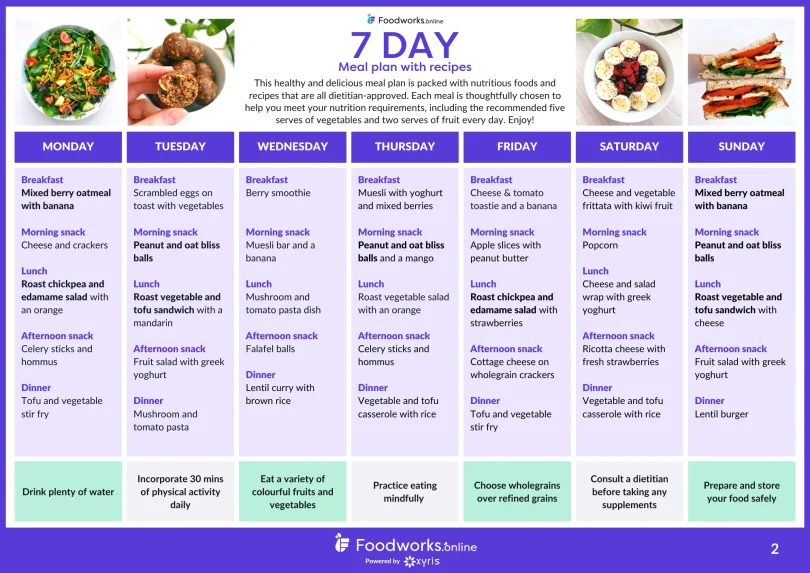
A weight loss diet plan is a structured eating routine designed to help people reduce body weight in a healthy and sustainable way. It includes balanced meals, proper calorie intake, nutrient-rich foods, and healthy lifestyle practices. The main goal is to burn more calories than you consume while still giving your body the nutrients it needs.
A proper diet plan does not mean skipping meals or avoiding food completely. Instead, it focuses on eating smarter. This includes consuming vegetables, fruits, lean proteins, whole grains, and healthy fats while reducing sugary drinks, junk food, and processed snacks. A successful weight loss diet plan also includes exercise, sleep, hydration, and stress management to improve overall results.
Why is Weight Loss Diet Plan Important?

A healthy weight loss diet plan is important because it improves physical and mental well-being. Excess body weight can increase the risk of heart disease, diabetes, high blood pressure, and other health conditions. By following a healthy diet plan, people can reduce these risks and improve their quality of life.
Weight loss also helps boost confidence, improve mobility, and increase energy levels. Many people feel more active and productive after adopting healthier eating habits. A balanced diet plan supports better digestion, stronger immunity, and improved sleep quality. Most importantly, it teaches discipline and helps create lifelong healthy habits rather than temporary changes.
Detailed Step-by-Step Guide
Set Realistic Goals
The first step in any weight loss diet plan is setting achievable goals. Beginners should avoid expecting fast results because healthy weight loss takes time. Losing around 0.5 to 1 kilogram per week is considered safe and sustainable.
Start by writing down your target weight and the reasons you want to lose weight. This can help keep you motivated during difficult times. Realistic goals make the process less stressful and more manageable.
Calculate Daily Calorie Needs
Understanding your calorie needs is essential for weight loss. Your body requires a certain number of calories daily to maintain weight. To lose weight, you need to consume fewer calories than you burn.
You can reduce calorie intake by avoiding sugary drinks, fast food, and unhealthy snacks. Instead, focus on nutrient-dense foods that keep you full for longer. Tracking meals using mobile apps or journals can also help beginners stay on track.
Eat More Protein
Protein plays an important role in weight loss because it helps control hunger and preserves muscle mass. Foods like chicken, eggs, fish, yogurt, beans, and lentils are excellent protein sources.
Adding protein to every meal can reduce cravings and increase fullness. This makes it easier to avoid overeating and unnecessary snacking throughout the day.
Increase Fruit and Vegetable Intake
Fruits and vegetables are low in calories but rich in vitamins, minerals, and fiber. Fiber helps improve digestion and keeps you satisfied for longer periods.
Try filling half your plate with vegetables during meals. Fresh fruits can also replace sugary desserts and snacks. Colorful vegetables provide essential nutrients that support overall health and weight management.
Drink More Water
Hydration is a simple but powerful part of a weight loss diet plan. Drinking enough water helps improve metabolism and reduce unnecessary hunger.
Many people confuse thirst with hunger, leading to overeating. Drinking a glass of water before meals can help control portion sizes and support healthy digestion.
Reduce Sugar and Processed Foods
Sugary drinks, candies, chips, and fast food contain empty calories with little nutritional value. These foods can slow weight loss progress and increase cravings.
Replacing processed foods with healthier alternatives like nuts, fruits, yogurt, and homemade meals can make a significant difference. Reading food labels also helps identify hidden sugars and unhealthy ingredients.
Control Portion Sizes
Even healthy foods can lead to weight gain if eaten excessively. Learning portion control is important for maintaining a calorie deficit.
Using smaller plates, eating slowly, and avoiding distractions during meals can help control portions naturally. Mindful eating improves awareness of hunger and fullness signals.
Exercise Regularly
A good weight loss diet plan works best when combined with physical activity. Exercise helps burn calories, improve fitness, and boost mood.
Beginners can start with simple activities like walking, cycling, stretching, or home workouts. Consistency matters more than intensity in the beginning. Gradually increasing workout time can improve results over time.
Get Enough Sleep
Poor sleep can increase hunger hormones and lead to unhealthy food cravings. Adults should aim for at least 7 to 8 hours of quality sleep every night.
Creating a proper sleep routine supports weight loss and overall health. Avoiding screens before bedtime and maintaining consistent sleeping hours can improve sleep quality.
Stay Consistent
Consistency is the key to long-term success. Many people quit because they do not see immediate results. Healthy weight loss requires patience and dedication.
Small daily improvements lead to lasting changes. Focus on progress instead of perfection and celebrate every achievement along the journey.
Benefits of Weight Loss Diet Plan
- Improves overall health and fitness
- Reduces risk of heart disease and diabetes
- Boosts energy levels throughout the day
- Enhances confidence and self-esteem
- Improves digestion and metabolism
- Encourages healthier eating habits
- Supports better sleep quality
- Increases physical strength and stamina
- Helps maintain long-term body weight
- Improves mental focus and productivity
- Reduces joint pain caused by excess weight
- Promotes a healthier lifestyle for the future
Disadvantages / Risks
- Extreme dieting can cause nutrient deficiencies
- Rapid weight loss may lead to muscle loss
- Some people may experience fatigue initially
- Strict diets can be difficult to maintain
- Emotional eating habits may return without discipline
- Unhealthy dieting methods can damage metabolism
- Social events may become challenging for some individuals
- Lack of guidance can lead to poor food choices
Common Mistakes to Avoid
One common mistake beginners make is skipping meals to lose weight faster. This often leads to overeating later in the day and slows metabolism. Instead of starving yourself, focus on balanced meals and healthy snacks.
Another mistake is relying completely on fad diets. Many trendy diets promise quick results but are difficult to maintain long-term. Sustainable weight loss comes from healthy habits, not temporary restrictions.
People also underestimate liquid calories from soda, sugary coffee, and packaged juices. These drinks can add hundreds of extra calories daily. Choosing water, green tea, or fresh homemade drinks is a healthier option.
Lack of physical activity is another major issue. Even the best diet plan becomes less effective without movement. Regular exercise supports fat burning and improves overall fitness.
Many beginners expect immediate results and become discouraged quickly. Weight loss takes time, and progress may vary from person to person. Patience and consistency are essential for long-term success.
FAQs
How much weight can I lose in one month?
Healthy weight loss usually ranges from 2 to 4 kilograms per month. Results depend on diet, exercise, metabolism, and consistency. Rapid weight loss is generally not recommended because it may affect health negatively.
Can I lose weight without exercise?
Yes, weight loss is possible through calorie control and healthy eating habits. However, exercise improves results by burning extra calories, building muscle, and improving overall health.
Which foods should I avoid during weight loss?
Avoid sugary drinks, fried foods, processed snacks, excessive sweets, and fast food. These foods are high in calories and low in nutrients, making weight loss more difficult.
Is breakfast important for weight loss?
Yes, a healthy breakfast can improve energy levels and reduce overeating later in the day. Meals containing protein and fiber are especially helpful for appetite control.
How much water should I drink daily?
Most adults should aim for around 2 to 3 liters of water daily. Hydration needs may vary depending on activity level, climate, and body size.
Can I eat carbohydrates during a weight loss diet plan?
Yes, carbohydrates are not bad when eaten in moderation. Choose healthy sources like oats, brown rice, sweet potatoes, and whole grains instead of refined carbohydrates.
Why do people regain weight after dieting?
People often regain weight because they return to unhealthy eating habits after reaching their goal. Long-term success requires sustainable lifestyle changes rather than temporary diets.
Are cheat meals allowed?
Occasional cheat meals are acceptable in moderation. Completely restricting favorite foods can increase cravings. Balance and portion control are important.
Expert Tips & Bonus Points
Meal preparation is one of the best strategies for successful weight loss. Preparing healthy meals in advance reduces the temptation to order unhealthy food during busy days.
Keeping a food journal can help identify unhealthy eating patterns. Writing down meals and snacks increases awareness and accountability. This habit often leads to better choices over time.
Eating slowly is another effective tip. The brain needs time to recognize fullness signals, so rushing meals can lead to overeating. Taking smaller bites and chewing properly improves digestion and satisfaction.
Stress management also plays an important role in weight control. Stress can trigger emotional eating and unhealthy cravings. Activities like meditation, walking, reading, and spending time with loved ones can reduce stress naturally.
Beginners should avoid comparing their progress with others. Every person has a different body type, metabolism, and fitness level. Focus on your own journey and celebrate gradual improvements.
Using free SEO tools can help health bloggers and fitness website owners optimize content related to weight loss diet plans. Proper keyword research and SEO strategies improve online visibility and attract more readers interested in healthy lifestyle topics.
Conclusion
A weight loss diet plan is more than just reducing calories or following temporary food restrictions. It is a complete lifestyle approach that includes balanced nutrition, regular physical activity, proper hydration, quality sleep, and consistent healthy habits. Beginners should understand that sustainable weight loss takes time, patience, and commitment. Quick-fix diets may offer temporary results, but long-term success comes from realistic and manageable changes.
By focusing on nutritious foods, portion control, and regular exercise, anyone can achieve healthier body weight and improved overall wellness. The key is to stay motivated and avoid unhealthy habits that can slow progress. Even small daily improvements can create significant results over time.
A healthy weight loss journey should never feel like punishment. Instead, it should encourage self-care, discipline, and confidence. With the right mindset and proper guidance, beginners can successfully transform their health and lifestyle. Whether your goal is to improve fitness, increase energy, or boost confidence, following a balanced weight loss diet plan can help you achieve lasting success while building healthier habits for the future.

