
Introduction
Artificial intelligence has completely changed how people work, learn, create content, and manage daily tasks. From writing emails to designing graphics and editing videos, AI-powered applications now make difficult tasks easier and faster. Beginners no longer need advanced technical skills because modern AI apps are designed with user-friendly interfaces and simple features.
Today, businesses, students, freelancers, and content creators use AI applications to improve productivity and save time. Many of these tools also include free SEO tools that help website owners optimize content, analyze keywords, and improve search engine rankings. As technology continues to grow, AI apps are becoming essential for both personal and professional success.
The popularity of AI tools has increased because they can automate repetitive work, generate ideas, improve communication, and even assist with research. Whether someone wants to create social media content, manage schedules, write articles, or design presentations, AI applications can simplify the process.
This guide explains the best AI apps available for beginners, their importance, benefits, risks, and how to choose the right platform. It also covers step-by-step guidance, common mistakes, expert tips, and frequently asked questions to help users understand everything about AI apps in simple language.
What is Best AI Apps?
Best AI apps are software applications powered by artificial intelligence technologies that help users perform tasks automatically and efficiently. These apps use machine learning, natural language processing, and automation to complete activities such as writing, editing, scheduling, designing, and analyzing data.
AI apps are designed to reduce manual effort and improve productivity. Many applications can generate content, answer questions, edit photos, summarize documents, or organize workflows within seconds. Beginners prefer these tools because they save time and require little technical knowledge.
Different AI apps serve different purposes. Some focus on writing and communication, while others specialize in graphic design, video editing, coding, or customer support. Many modern platforms also integrate free SEO tools to help website owners improve search rankings and content visibility.
The best AI apps are easy to use, affordable, and flexible enough for students, professionals, marketers, and businesses. As more industries adopt artificial intelligence, these applications continue to become smarter and more accessible for everyday users.
Why is Best AI Apps Important?
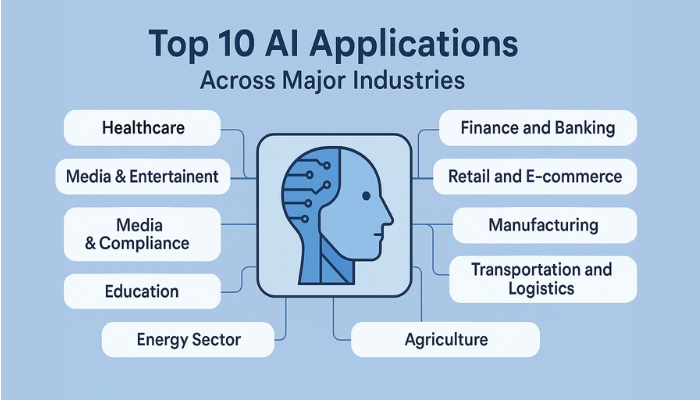
AI apps are important because they simplify complex tasks and increase efficiency. Instead of spending hours on repetitive work, users can complete tasks quickly with the help of automation and smart recommendations. This allows people to focus more on creativity, strategy, and decision-making.
Businesses use AI applications to improve customer support, automate marketing, analyze data, and create personalized experiences. Students use AI tools for research, note-taking, and learning assistance. Freelancers and content creators rely on AI apps to generate ideas, edit content, and manage projects.
Another major reason AI apps are important is accessibility. Beginners with no technical background can now perform advanced tasks using simple interfaces and guided features. AI has made technology more user-friendly and practical for everyday use.
Many AI applications also support digital marketing by providing free SEO tools, keyword suggestions, competitor analysis, and content optimization. This helps websites attract more traffic and improve online visibility without requiring advanced SEO knowledge.
As industries become more competitive, AI tools help individuals and businesses stay productive, organized, and efficient. The ability to automate routine tasks can save both time and money while improving overall performance.
Detailed Step-by-Step Guide
Step 1: Understand Your Needs
Before choosing an AI app, identify your main purpose. Some users need AI for writing, while others need it for graphic design, productivity, or research. Understanding your goals helps you select the right platform.
For example, students may need AI apps for note-taking and summarization, while business owners may prefer AI tools for customer support and marketing automation. Content creators often choose platforms with editing and creative features.
Choosing the wrong application can waste time and reduce productivity. Therefore, beginners should clearly define their needs before downloading or subscribing to any AI software.
Step 2: Research Popular AI Apps
After identifying your goals, explore the most popular AI applications in the market. Read reviews, compare features, and check user ratings. Look for beginner-friendly platforms with tutorials and easy navigation.
Popular categories include AI writing apps, image generators, productivity assistants, video editors, coding tools, and chatbot platforms. Many of these apps offer free versions for beginners.
It is also useful to compare pricing plans, integrations, and customer support options. Applications that include free SEO tools can provide additional value for bloggers and marketers.
Step 3: Test Free Versions
Most AI apps offer free trials or limited free plans. Beginners should test these versions before purchasing premium subscriptions. This helps users understand the interface and evaluate whether the app meets their requirements.
Testing allows users to explore features such as automation, templates, customization, and performance speed. Beginners should also check if the platform works smoothly on their devices.
Free trials help users avoid investing money in applications that may not suit their workflow or skill level.
Step 4: Learn the Basic Features
Once an AI app is selected, spend time learning its main features. Most platforms provide tutorials, guides, and onboarding instructions for new users.
Beginners should start with simple tasks before exploring advanced settings. For example, writing apps may include templates, tone adjustments, grammar correction, and keyword suggestions.
Understanding these features helps users maximize efficiency and avoid confusion during regular use.
Step 5: Use AI Responsibly
AI applications are powerful tools, but users should always review and verify generated content. Automated suggestions may occasionally contain errors or outdated information.
Users should avoid depending completely on automation. Human creativity and judgment remain important for producing high-quality work.
Responsible AI usage also includes protecting personal information and avoiding sharing sensitive data with unknown platforms.
Step 6: Combine AI with Productivity Tools
Many AI applications integrate with calendars, cloud storage, communication apps, and project management platforms. These integrations improve workflow and organization.
For example, users can connect AI writing tools with content management systems or integrate scheduling apps with productivity software. Combining tools increases efficiency and saves time.
Using AI alongside free SEO tools can further improve online marketing and website performance.
Step 7: Monitor Performance and Results
Regularly evaluate how the AI app improves productivity and efficiency. Track saved time, content quality, workflow improvements, and task completion rates.
If an application does not meet expectations, explore alternative platforms. The AI industry changes rapidly, and new tools appear frequently with better features and lower costs.
Monitoring results helps users make smarter decisions and continuously improve their workflow.
Benefits of Best AI Apps
- Save time by automating repetitive tasks
- Improve productivity and workflow efficiency
- Help beginners complete advanced tasks easily
- Provide creative ideas and content suggestions
- Reduce manual work and human errors
- Offer smart recommendations and analytics
- Improve communication and collaboration
- Support learning and skill development
- Include free SEO tools for website optimization
- Assist businesses in marketing and customer support
- Help creators design graphics and edit media faster
- Increase accuracy in research and data analysis
- Simplify project management and organization
- Improve multitasking and scheduling
- Enhance digital marketing performance
Disadvantages / Risks
- Some AI-generated content may contain inaccuracies
- Overdependence on AI can reduce creativity
- Premium plans may be expensive for beginners
- Privacy concerns may arise with sensitive data
- Certain apps require stable internet connections
- Learning advanced features can take time
- Not all AI tools provide reliable results
- Excessive automation may reduce human involvement
- Some applications include limited free features
- AI recommendations may occasionally be biased
Common Mistakes to Avoid
One common mistake beginners make is choosing too many AI apps at once. Using multiple platforms without understanding their features can create confusion and reduce productivity. It is better to start with one or two reliable applications before expanding to additional tools.
Another mistake is trusting AI-generated content without reviewing it. Users should always check facts, grammar, and accuracy before publishing or sharing information. Human editing remains essential for maintaining quality and reliability.
Many users also ignore privacy policies and data security settings. Sharing sensitive information with unknown applications can create security risks. Beginners should choose trusted platforms with strong privacy protections.
Some people expect AI tools to replace all manual work instantly. AI applications are designed to assist users, not completely replace creativity or decision-making. Combining human skills with AI technology produces the best results.
Ignoring free SEO tools is another missed opportunity. Many AI apps provide keyword research, optimization suggestions, and analytics that can improve website visibility and online traffic.
FAQs
What are the best AI apps for beginners?
The best AI apps for beginners are those with simple interfaces, tutorials, and free plans. Popular categories include writing assistants, design tools, productivity apps, and research platforms. Beginners should choose applications based on their personal goals and daily tasks.
Are AI apps free to use?
Many AI applications offer free versions with limited features. Premium plans usually provide advanced tools, integrations, and higher usage limits. Users can start with free versions before upgrading to paid subscriptions.
Can AI apps improve productivity?
Yes, AI apps can significantly improve productivity by automating repetitive tasks, organizing workflows, generating ideas, and simplifying communication. Many users save hours of manual work each week by using AI-powered platforms.
Are AI-generated results always accurate?
No, AI-generated content is not always perfect. Users should verify information, review outputs, and make necessary edits. AI tools are designed to assist rather than replace human judgment.
How do AI apps help with SEO?
Many AI platforms include free SEO tools that provide keyword suggestions, content optimization, readability analysis, and competitor research. These features help websites improve search engine rankings and attract more visitors.
Is it safe to use AI applications?
Most trusted AI apps are safe to use, but users should always review privacy policies and avoid sharing sensitive personal information. Choosing reputable platforms reduces security risks.
Which industries benefit most from AI apps?
Industries such as marketing, education, healthcare, finance, design, customer service, and e-commerce benefit greatly from AI applications. These tools improve efficiency, reduce costs, and support better decision-making.
Do AI apps require technical knowledge?
Most modern AI applications are beginner-friendly and require little technical knowledge. Simple interfaces, tutorials, and templates make them accessible for students, professionals, and casual users.
Expert Tips & Bonus Points
Beginners should focus on learning one AI application completely before exploring additional tools. Mastering basic features increases confidence and improves efficiency over time.
Always combine AI-generated content with personal creativity and editing. Unique ideas and human judgment make content more valuable and engaging.
Choose applications that regularly update features and security systems. Active development indicates better long-term reliability and performance.
Use free SEO tools whenever possible to improve content visibility, keyword targeting, and website traffic. These features can help bloggers and businesses grow online without large marketing budgets.
Keep track of productivity improvements by measuring saved time, content quality, and workflow efficiency. Monitoring progress helps users select the most effective AI applications.
Experiment with different templates, integrations, and automation settings to discover the best workflow for your needs. Flexibility is one of the biggest advantages of modern AI technology.
Stay informed about new AI trends and updates because the industry changes quickly. Learning continuously helps users stay competitive and productive.
Conclusion
AI applications have transformed the way people work, learn, and manage daily activities. From writing and designing to scheduling and marketing, these tools simplify complex tasks and improve efficiency for beginners and professionals alike. Modern AI apps are designed to be user-friendly, making advanced technology accessible to everyone.
The growing popularity of AI tools is largely due to their ability to save time, reduce manual effort, and increase productivity. Many applications also include free SEO tools that help users optimize content, improve rankings, and attract more online traffic. These features make AI platforms valuable for students, freelancers, businesses, and content creators.
However, users should approach AI responsibly by reviewing generated outputs, protecting sensitive information, and balancing automation with human creativity. Choosing the right application depends on personal goals, workflow requirements, and budget considerations.
As artificial intelligence continues to evolve, AI apps will become even more powerful and practical for everyday use. Beginners who learn how to use these tools effectively can improve productivity, simplify tasks, and stay competitive in an increasingly digital world.