
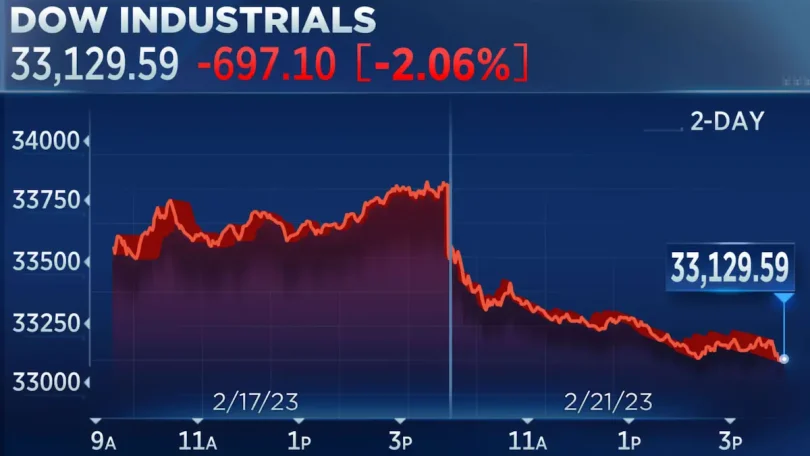

The U.S. stock market is one of the most closely watched financial systems in the world. Every day, billions of dollars move across major indexes such as the Dow Jones Industrial Average, S&P 500, and Nasdaq Composite. For investors, traders, and anyone tracking financial news, understanding US stock market daily trends is essential for making informed decisions. This article breaks down how the market behaves, what influences it day by day, and what you should watch to stay updated.
1. Overview of Daily Market Movements
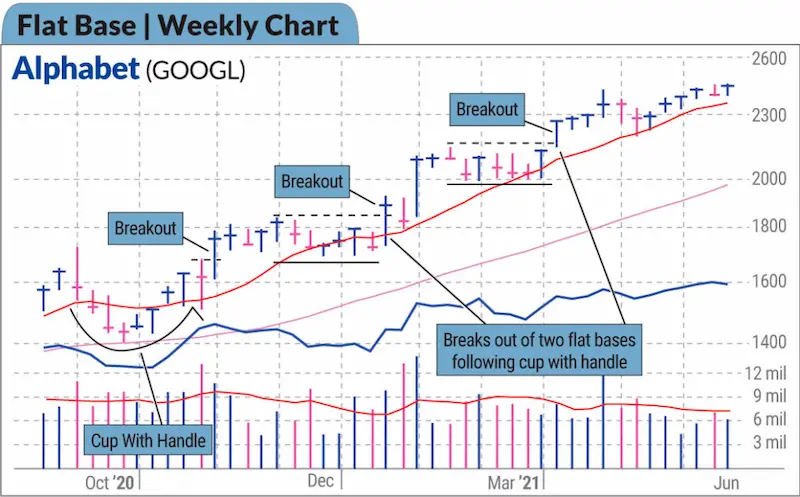
The US stock market daily trends reflect how investors react to news, data, and global events. A single headline can shift the market upward or downward within minutes. Daily trends typically show:
- Whether investors are optimistic (bullish)
- Whether markets are cautious or fearful (bearish)
- Which sectors are gaining or losing
- How major companies are performing
These trends can shift multiple times throughout the trading day as new information surfaces.
2. Major Indexes That Set the Daily Market Tone
To understand US stock market daily trends, you must know the three main indexes:
● S&P 500
Tracks 500 of the largest U.S. companies. It is the most accurate representation of the American economy.
● Dow Jones Industrial Average (Dow)
Includes 30 major blue-chip companies. It often shows investor confidence in large, established businesses.
● Nasdaq Composite
Dominated by tech companies like Apple, Microsoft, Amazon, Nvidia, and Google. It reflects the performance of the technology sector.
Movements in these indexes provide a quick snapshot of daily market behavior.
3. Key Factors That Influence Daily Stock Market Trends
(i) Economic Data Releases
Important reports that impact US stock market daily trends include:
- Inflation numbers (CPI, PPI)
- Employment data (jobs added, unemployment rate)
- Consumer confidence
- GDP growth
- Manufacturing and services indices
Positive data usually boosts markets, while negative data creates uncertainty.
(ii) Federal Reserve Announcements
Interest rates have a massive impact on stocks.
When the Federal Reserve raises or cuts rates, markets react instantly:
- Rate cuts usually lift stocks.
- Rate hikes can slow the market due to borrowing costs.
Even speeches from the Fed Chair can influence daily trends.
(iii) Corporate Earnings Reports
Every quarter, companies share financial results.
If earnings beat expectations, stocks rise.
If they disappoint, stocks fall sharply.
Tech giants like Microsoft, Google, and Amazon significantly move US stock market daily trends.
You may also like it:
Congress Law Changes Today: Key Updates & Impacts
Police Investigation News USA | Latest Crime & Case Updates
Popular Health Habits in USA Daily Wellness Guide 2025 Trend
Latest US Economic Predictions: 2025 Growth & Market Outlook
(iv) Global Events and Geopolitics
Wars, elections, global conflicts, and economic crises in other countries can shake U.S. markets.
Examples include:
- Oil price changes
- Trade wars
- Currency fluctuations
- International political tensions
The U.S. market reacts quickly to global news.
(v) Market Sentiment and Investor Psychology
Fear and greed are powerful forces.
Daily trends often depend on:
- Panic selling
- FOMO (fear of missing out)
- Profit-taking
- Day-trader activity
Sentiment-driven trading can cause sudden spikes and drop within minutes.
4. Sector-Wise Daily Performance
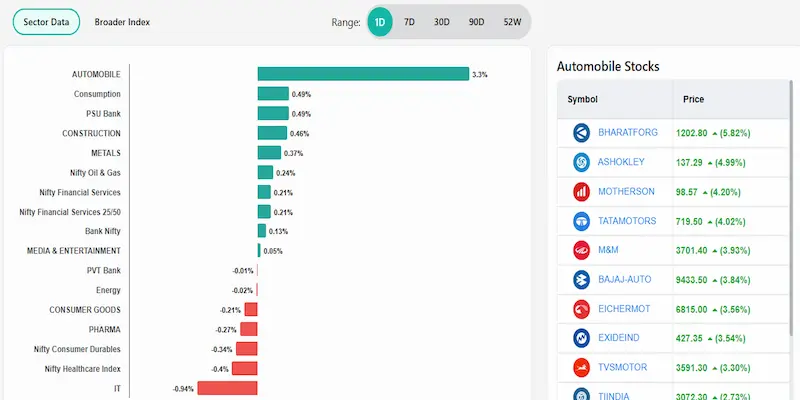
Different sectors perform differently depending on the news cycle.
For example:
- Tech rises on innovation and strong earnings.
- Energy rises when oil prices increase.
- Banking moves with interest rate changes.
- Healthcare reacts to drug approvals and medical breakthroughs.
Tracking sector performance helps investors understand the full picture of US stock market daily trends.
5. Tools to Track Daily Trends Easily
To stay updated, investors use tools such as:
- Real-time stock charts
- Financial news websites
- Market analysis apps
- Economic calendars
- Market indicators (RSI, MACD, moving averages)
These tools help track price movement, volume, and trend patterns.
6. Why Daily Trends Matter for Investors
Understanding US stock market daily trends helps with:
- Making better investment decisions
- Timing entries and exits
- Reducing risk during market volatility
- Identifying rising sectors
- Understanding long-term direction
Even long-term investors benefit from observing daily market behavior.
Conclusion
The US stock market daily trends reveal the heartbeat of the American economy. By following major indexes, economic data, corporate earnings, global events, and market sentiment, anyone can understand how and why the market moves each day. Whether you’re an investor or simply someone who follows financial news, knowing these trends will help you stay informed and confident in your decisions.
FAQs About US Stock Market Daily Trends
1. What causes daily movement in the US stock market?
Economic reports, Federal Reserve announcements, corporate earnings, global events, and investor sentiment influence daily movements.
2. Which index is best to analyze US stock market daily trends?
The S&P 500 is the most reliable indicator because it tracks 500 top U.S. companies across all major sectors.
3. How does inflation affect daily stock market trends?
High inflation usually pressures stocks because it raises interest rates, increases costs, and lowers consumer spending.
4. Do global events impact the US stock market every day?
Yes. Geopolitical tensions, oil price changes, or global economic updates can instantly affect U.S. market direction.
5. Why does tech sector movement strongly influence daily trends?
Tech companies make up a large portion of major indexes like the Nasdaq and S&P 500, so their performance impacts overall market trends.
6. Is it necessary to follow daily trends for long-term investors?
Not mandatory, but helpful. Daily trends help identify market volatility, entry points, and overall market sentiment.


