
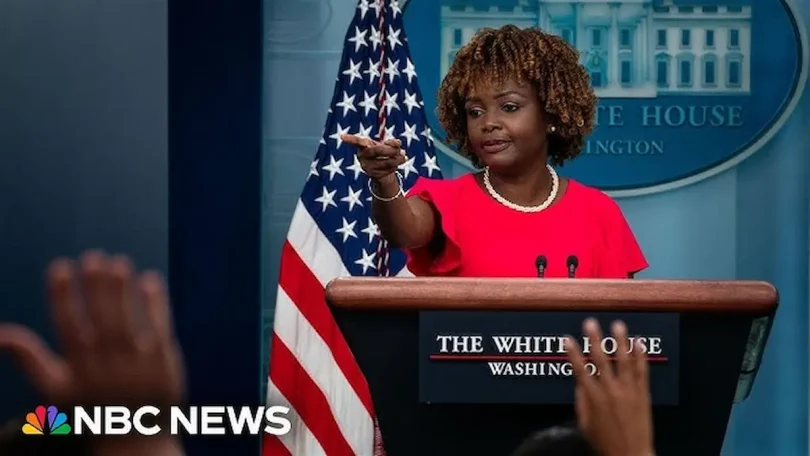

Daily White House briefings are official press conferences conducted by the White House Press Secretary or other senior officials to communicate directly with the public, media, and government stakeholders.
These briefings provide updates on administration policies, national events, foreign affairs, and responses to pressing issues, serving as a cornerstone of transparency and accountability in U.S. governance.
History and Evolution of White House Briefings
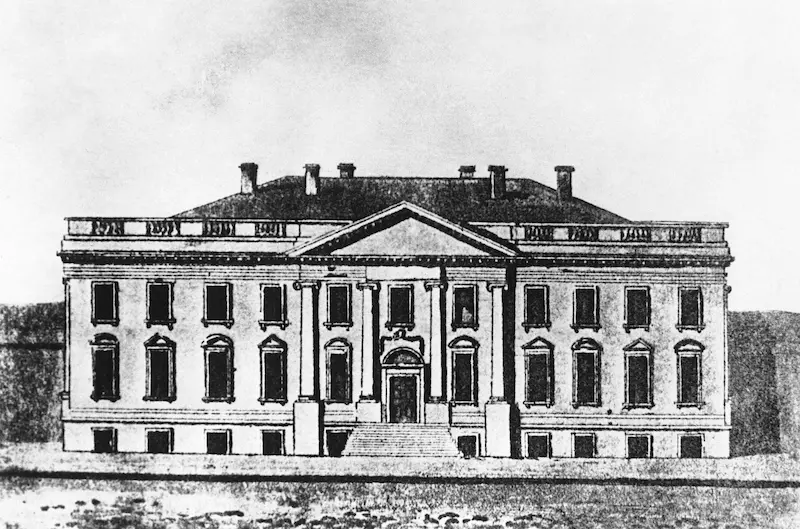
The tradition of White House press briefings dates back to the early 20th century but became more structured and formalized in the post-World War II era. The position of White House Press Secretary was created to act as a bridge between the President and the press corps, ensuring consistent communication of administration policies and viewpoints.
Over time, daily briefings became a standard practice, though their frequency has varied depending on the administration. Technological advancements, including television, live streaming, and social media, have expanded the reach of briefings, allowing millions of Americans and international audiences to follow updates in real time.
Purpose of Daily White House Briefings
The main purposes of daily briefings include:
- Informing the Public
Briefings provide official information on new policies, legislative priorities, executive orders, and government programs. - Promoting Transparency
By addressing questions from the press, briefings allow citizens to see how decisions are made and how officials respond to issues. - Accountability and Oversight
Journalists challenge statements, ask for clarifications, and hold officials accountable for policy decisions or controversial events. - Crisis Communication
During emergencies such as natural disasters, health crises, or national security incidents, briefings serve as a trusted source of accurate information. - Framing the Public Narrative
Officials use briefings to explain policies in a way that clarifies the administration’s objectives and priorities, while countering misinformation.
Format and Structure of Daily Briefings
Daily White House briefings are typically held in the James S. Brady Press Briefing Room, located in the West Wing of the White House. The structure usually includes:
- Opening Statement
The Press Secretary or official begins with a prepared statement, summarizing key developments or announcements. - Question-and-Answer Session
Journalists from various media outlets are called on to ask questions. These can range from domestic policy and international relations to ongoing crises or political controversies. - Supplementary Statements
In some cases, other officials such as Cabinet members, advisors, or subject-matter experts join the briefing to provide technical explanations or updates on specialized issues. - Press Notes and Briefing Materials
The administration often provides fact sheets, talking points, or reports to support statements made during the briefing.
While briefings are intended to be daily, their frequency can change depending on events. During major crises, such as a national security threat or a pandemic, briefings may be held multiple times a day.
Topics Covered in Daily White House Briefings
Daily briefings cover a wide array of subjects, reflecting the administration’s priorities and current events:
- Domestic Policy
Updates on economic initiatives, healthcare, education, infrastructure projects, social programs, and federal regulations. - Foreign Policy and Diplomacy
Information on international relations, trade agreements, military actions, diplomatic engagements, and global crises. - National Security
Briefings often include updates on homeland security, counterterrorism efforts, and military operations. - Crisis Management
Natural disasters, pandemics, and unexpected national emergencies are addressed, often with step-by-step explanations of the government’s response. - Administrative Announcements
Executive orders, nominations, appointments, and legislative proposals are communicated to the public. - Media and Public Concerns
Journalists may ask questions based on trending issues, public controversies, or urgent news events, ensuring that the administration addresses the most relevant topics.
You may also like it:
Congress Law Changes Today: Key Updates & Impacts
Police Investigation News USA | Latest Crime & Case Updates
Popular Health Habits in USA Daily Wellness Guide 2025 Trend
Latest US Economic Predictions: 2025 Growth & Market Outlook
Significance and Impact
Transparency and Public Trust
Daily briefings provide insight into government decision-making, helping citizens understand policies and administrative actions. Regular updates promote transparency and strengthen democratic engagement.
Accountability
By allowing journalists to ask direct questions, briefings help hold officials accountable for their statements and decisions.
Crisis Communication
In times of uncertainty, such as during public health emergencies or national security incidents, briefings are critical for providing accurate and timely information to the public.
Global Perception
White House briefings are not just for domestic audiences. International media monitor these briefings closely, shaping global perception of U.S. policies and leadership.
Challenges and Criticisms
Despite their importance, daily briefings face challenges:
- Political Bias
Critics argue that briefings sometimes prioritize partisan messaging over objective information, influencing public perception rather than purely informing. - Limited Transparency
Some questions may go unanswered, and access to certain briefings may be restricted, creating concerns about selective reporting. - Information Overload
With 24/7 news coverage and social media commentary, audiences may feel overwhelmed by the volume of information provided during and after briefings. - Media Spin and Misinterpretation
The rapid dissemination of soundbites and highlights can lead to misinterpretation or overemphasis on minor points, sometimes overshadowing substantive policy discussions.
How the Public Can Benefit
To make the most of daily White House briefings, the public should:
- Watch or follow briefings through reliable sources
- Consider full context rather than isolated soundbites
- Cross-check information with multiple reputable outlets
- Stay informed about both domestic and global implications of announcements
Conclusion
Daily White House briefings are a cornerstone of U.S. governance, offering a direct line of communication between the executive branch and the public. They provide transparency, accountability, and critical updates on government actions, policies, and responses to national and international events.
While modern briefings face challenges like political spin, information overload, and media polarization, they remain vital for a well-informed public. For citizens, engaging critically with these briefings ensures a better understanding of government operations and contributes to active democratic participation.
FAQs on Daily White House Briefings
1. What are daily White House briefings?
They are official press conferences led by the White House Press Secretary or senior officials to update the public and media on government policies, decisions, and current events.
2. Why are daily briefings important?
They promote transparency, accountability, and public engagement, providing accurate information on domestic and international issues.
3. Who conducts daily White House briefings?
Typically, the White House Press Secretary leads the briefings, sometimes joined by Cabinet members, advisors, or subject-matter experts.
4. What topics are covered in these briefings?
They cover domestic policy, foreign affairs, national security, crisis management, executive actions, and media concerns.
5. How can the public access these briefings?
Briefings are broadcast on TV, streamed online, and reported by major media outlets, allowing both national and international audiences to follow updates.


